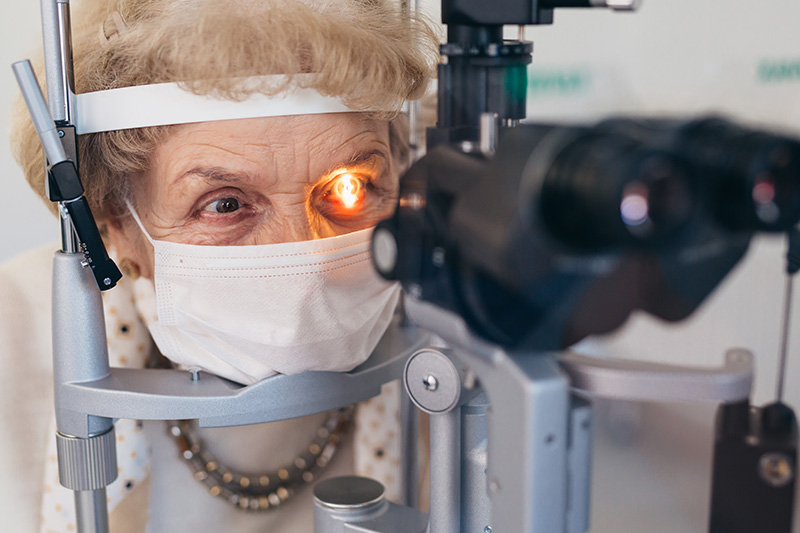
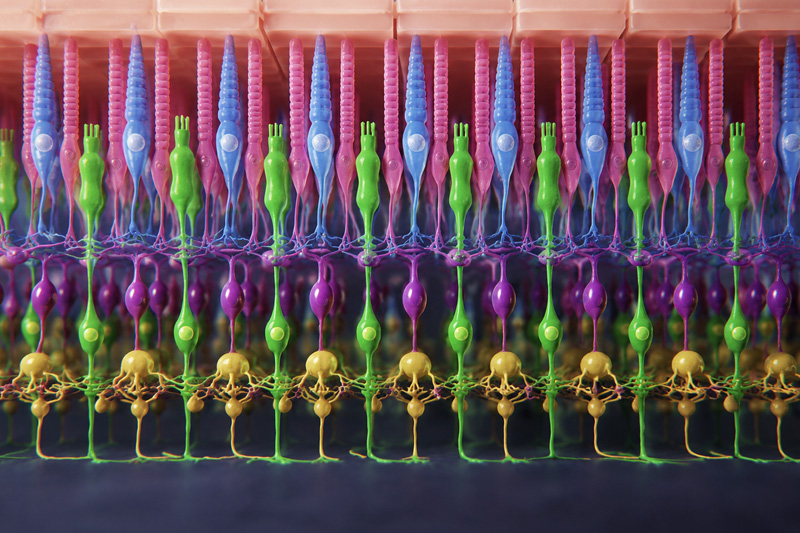
Retinal degenerative diseases continue to cause progressivevision loss, affecting millions of patients worldwide.
Current treatments may slow disease progression, but they cannot restore damaged retinal cells.
Retinal diseases affect millionsof people worldwide.
Current treatments have limitations in restoring damaged retinal cells.
Retinal regenerationOffers new hope.
Discover how Celliaz leverages PROX1 technology to unlock retinal regeneration and create new possibilities for patients with retinal diseases.
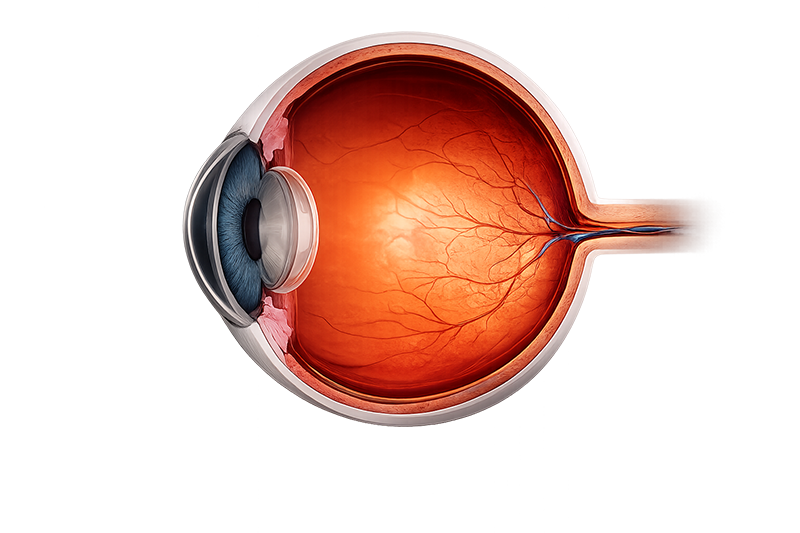
inal diseases gradually damage retinal cells, leading to irreversible vision loss and limited treatment options.
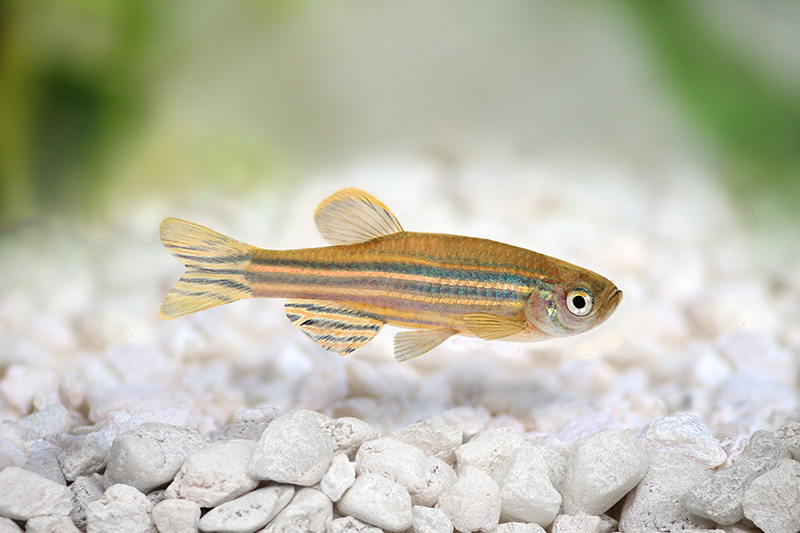
Unlike humans, zebrafish cannaturally regenerate damaged retinal cells through Müller glia activation.
In the human retina, PROX1 accumulates around Müller glia cells and suppresses their regenerative activity after transferring into Müller glia.
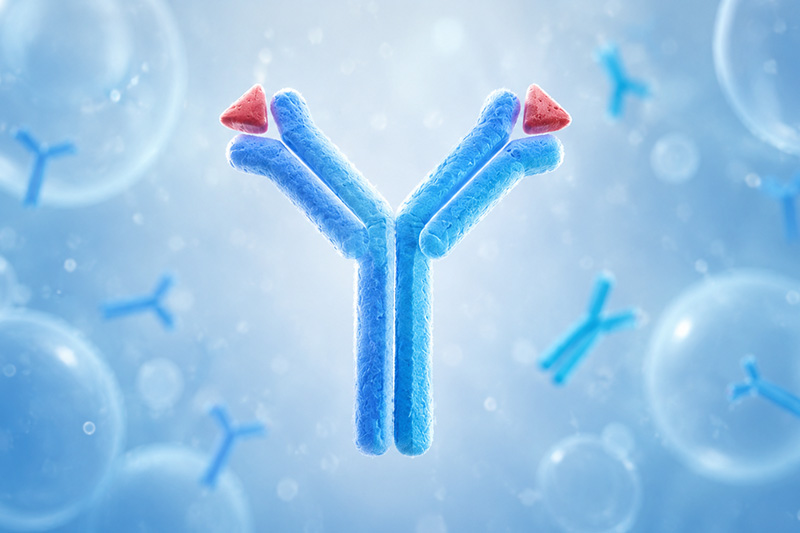
PROX1-neutralizing antibodies bind PROX1 in the extracellular space and block PRORX1 transfer to Müller glia.
In the absence of PROX1 transfer, Müller glia can recover their regenerative potential and support retinal repair.
Watch how Celliaz’s anti-PROX1 technology unlocks the regenerative potential of the retina.
Advancing innovative therapies through two complementary homeoprotein strategies.
Neutralizing harmful homeoproteins that suppress tissue regeneration.
Delivering regenerative homeoproteins to restore tissue function and repair
Lead Optimization
Preclinical
Target Validation
Creating a New Paradigm for Retinal Regeneration